The possibility of confirmed extraterrestrial life has fascinated humanity for generations. Scientists, philosophers, theologians, and storytellers have all explored the question of how society might react if intelligent life beyond Earth were officially discovered. The discussion extends far beyond science because it touches on humanity’s deepest questions about existence, purpose, and our place in the universe.
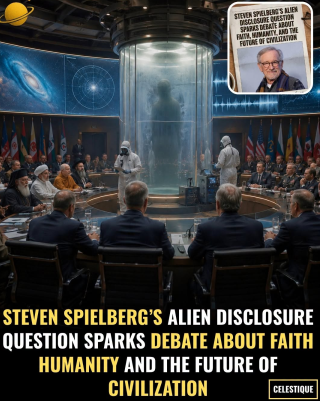
Filmmakers such as Steven Spielberg have helped bring these ideas into mainstream culture through stories that explore first contact, human curiosity, and the unknown. While fictional narratives often dramatize potential outcomes, they encourage audiences to consider how governments, institutions, and individuals might respond to evidence that intelligent life exists elsewhere. These stories remain influential because they connect scientific possibilities with human emotions and beliefs.
Religious scholars have debated this topic for decades. Many experts argue that the discovery of extraterrestrial life would not automatically invalidate major religions. Instead, religious traditions could adapt and interpret new discoveries within existing theological frameworks. Throughout history, faith communities have often adjusted to major scientific breakthroughs while preserving their core spiritual principles.
From a scientific perspective, no verified evidence currently confirms the existence of intelligent extraterrestrial civilizations visiting Earth. However, advances in astronomy, planetary science, and space exploration continue to expand the search for life beyond our planet. Research involving exoplanets, potentially habitable worlds, and the study of extreme environments on Earth has strengthened the possibility that life could exist elsewhere in the cosmos.
The broader significance of this discussion lies in its ability to unite people around a shared question. Whether viewed through science, philosophy, religion, or popular culture, the idea of extraterrestrial contact encourages humanity to think beyond national borders and consider its collective future. The debate remains one of the most intriguing conversations of the modern era because it challenges people to imagine how a discovery of unprecedented importance could reshape human understanding